In today’s fast-paced marketplace, businesses need to create packaging that grabs consumers’ attention and communicates their brand messaging effectively. As we approach 2023, there are several packaging design trends that are expected to make an impact. In this post, we’ll explore five of these trends and how businesses can incorporate them into their packaging design.
Sustainable Packaging
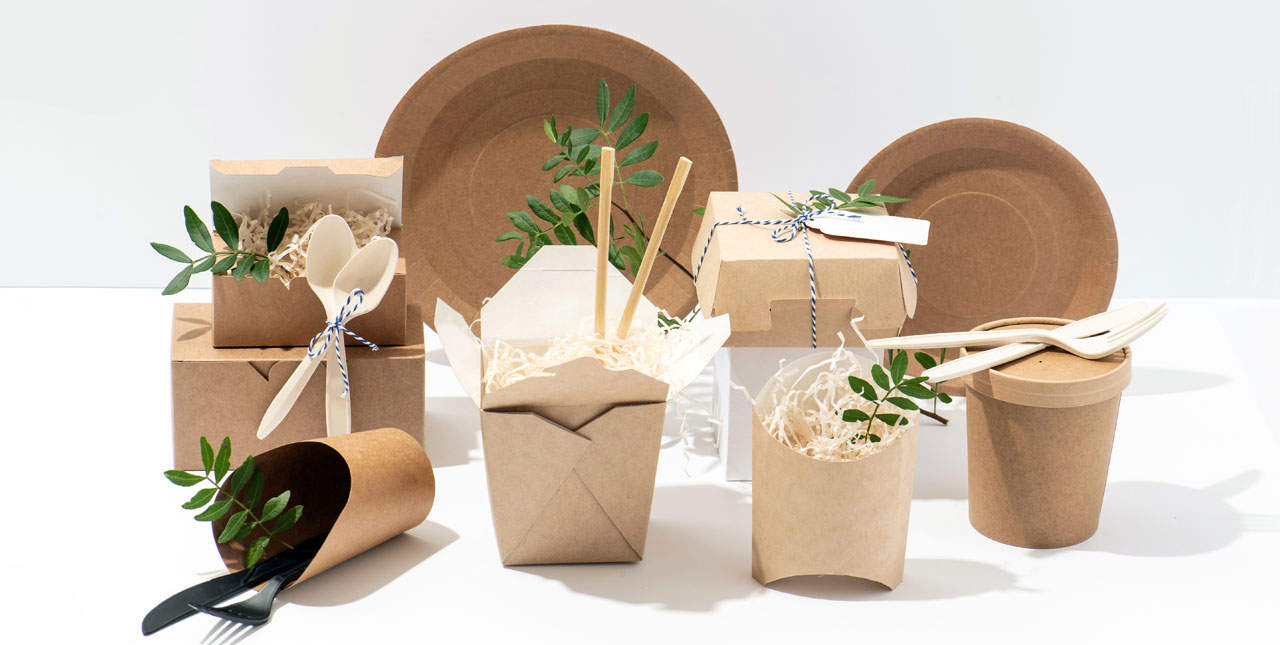
Sustainability has become a top priority for consumers in recent years, and this trend is extending to packaging design. Brands are recognizing the importance of using sustainable materials to reduce their environmental footprint and appeal to eco-conscious consumers. Sustainable packaging materials can include biodegradable and compostable plastics, recycled paper and cardboard, and plant-based alternatives such as bamboo and cornstarch. By using sustainable packaging, businesses can not only reduce their impact on the environment but also build brand loyalty among socially responsible consumers.
Minimalist Design
Minimalist design has been on the rise for several years, and it’s expected to continue into 2023. Minimalist packaging design is characterized by simplicity, clean lines, and a focus on essential elements. By stripping away extraneous details, minimalist packaging designs can create a strong visual impact and convey a sense of sophistication and elegance. Minimalist packaging can also help businesses save on production costs by reducing the amount of ink and material needed to create the design.
Minimalist packaging designs feature clean lines, monochromatic colors, and a focus on negative space. This type of design appeals to consumers who value simplicity, sustainability, and a clean aesthetic. Minimalist design is also versatile, making it a great option for a variety of products, from luxury goods to everyday essentials.
In addition to its aesthetic appeal, minimalist packaging can also be cost-effective, as it often requires less material and simpler production processes. Overall, minimalist design is a powerful tool for creating effective and memorable packaging designs that will stand out on shelves and in the minds of consumers.
Bold Typography
Typography is a critical element in packaging design, as it can help communicate a brand’s messaging and differentiate it from competitors.
Bold typography is becoming increasingly popular in packaging design as brands look for ways to stand out and make a statement. This trend involves using large, eye-catching typography in packaging designs, often with unique fonts and stylized lettering. Bold typography can help to convey a brand’s personality, values, and message in a powerful way, and can be particularly effective in grabbing the attention of consumers.
When using bold typography in packaging design, it’s important to strike the right balance between readability and impact. The typography should be clear and legible, even at smaller sizes, and should be paired with complementary design elements such as color, imagery, and texture to create a cohesive look and feel.
Additionally, the typography should reflect the overall brand aesthetic and be consistent with other brand assets such as the logo and marketing materials.
Overall, bold typography is a great way to add visual interest and personality to packaging designs, and can be a powerful tool for brands looking to stand out on crowded shelves.
By combining bold typography with other design elements, brands can create packaging that not only looks great, but effectively communicates their message to consumers.
Interactive Packaging
Interactive packaging is a trend that’s been enabled by technology, allowing brands to create packaging that engages and entertains consumers. Examples of interactive packaging include augmented reality (AR) experiences, QR codes, and NFC-enabled tags that provide additional information or promotional content. Interactive packaging can help businesses build brand loyalty and drive engagement with their products, as consumers are more likely to remember a product that provided a fun and memorable experience.
Innovative Materials
Innovative materials are another trend that’s gaining traction in packaging design, as brands look for ways to create more sustainable and eco-friendly packaging solutions. These materials can include everything from mushroom packaging to seaweed-based alternatives, and can offer benefits such as increased durability, reduced environmental impact, and unique visual appeal. However, it’s important to ensure that these materials are practical and cost-effective for large-scale production.
Conclusion
Packaging design is an essential component of any successful marketing strategy, and keeping up with the latest trends is crucial for businesses looking to stand out in a crowded marketplace. By incorporating sustainable materials, minimalist design, bold typography, interactive features, and innovative materials, businesses can create packaging that communicates their brand messaging effectively and engages consumers on a deeper level. As we look ahead to 2023, these packaging design trends will continue to shape the industry and help businesses succeed.
Get in touch with us today to discuss your creative design needs and design projects. We look forward to working with you!